

How to Sell a Car With a Rebuilt Title Safely
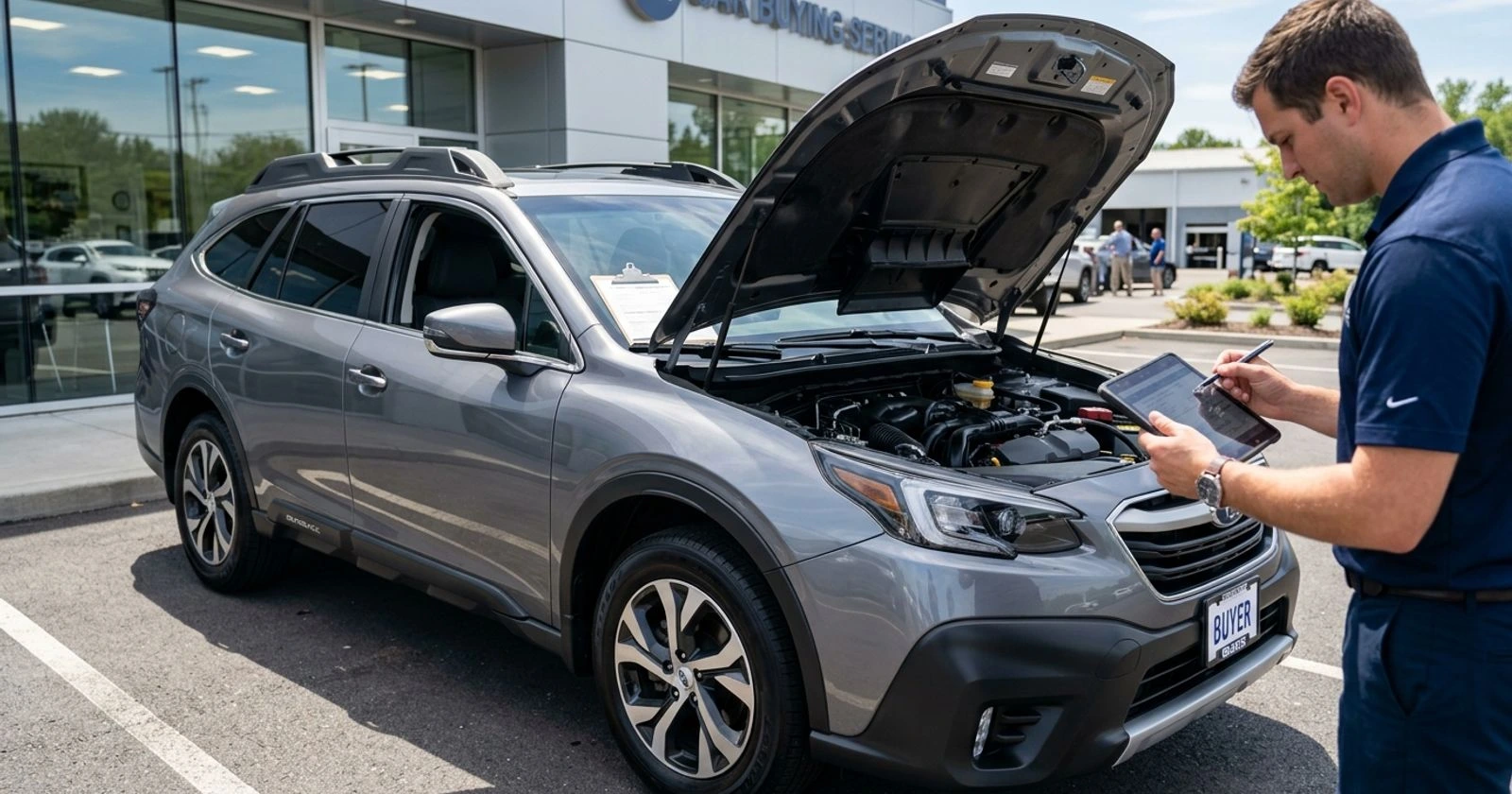
Can you legally sell a car with a rebuilt title in Ohio or Michigan, and what will anyone actually pay for it? Yes, you can, but the answer depends less on the car than on who is looking at it. A seller who matches the right buyer to the right paperwork keeps far more of the car’s value than one who posts a listing and hopes.
You can sell a car with a rebuilt title in both states, as long as you hold the rebuilt-branded title and disclose the brand in writing. Expect a smaller buyer pool and a price anchored well below clean-title comparables.
Table of Contents
- Why Buyers Treat Rebuilt Titles Differently
- What to Gather Before You Sell
- How to Sell a Car With a Rebuilt Title
- Mistakes That Cost Rebuilt Title Sellers Money
- Frequently Asked Questions
Why Buyers Treat Rebuilt Titles Differently
A salvage title means an insurer declared the vehicle a total loss, and it cannot be driven or registered. A rebuilt title means the car was repaired and then passed a state inspection. That brand never comes off.
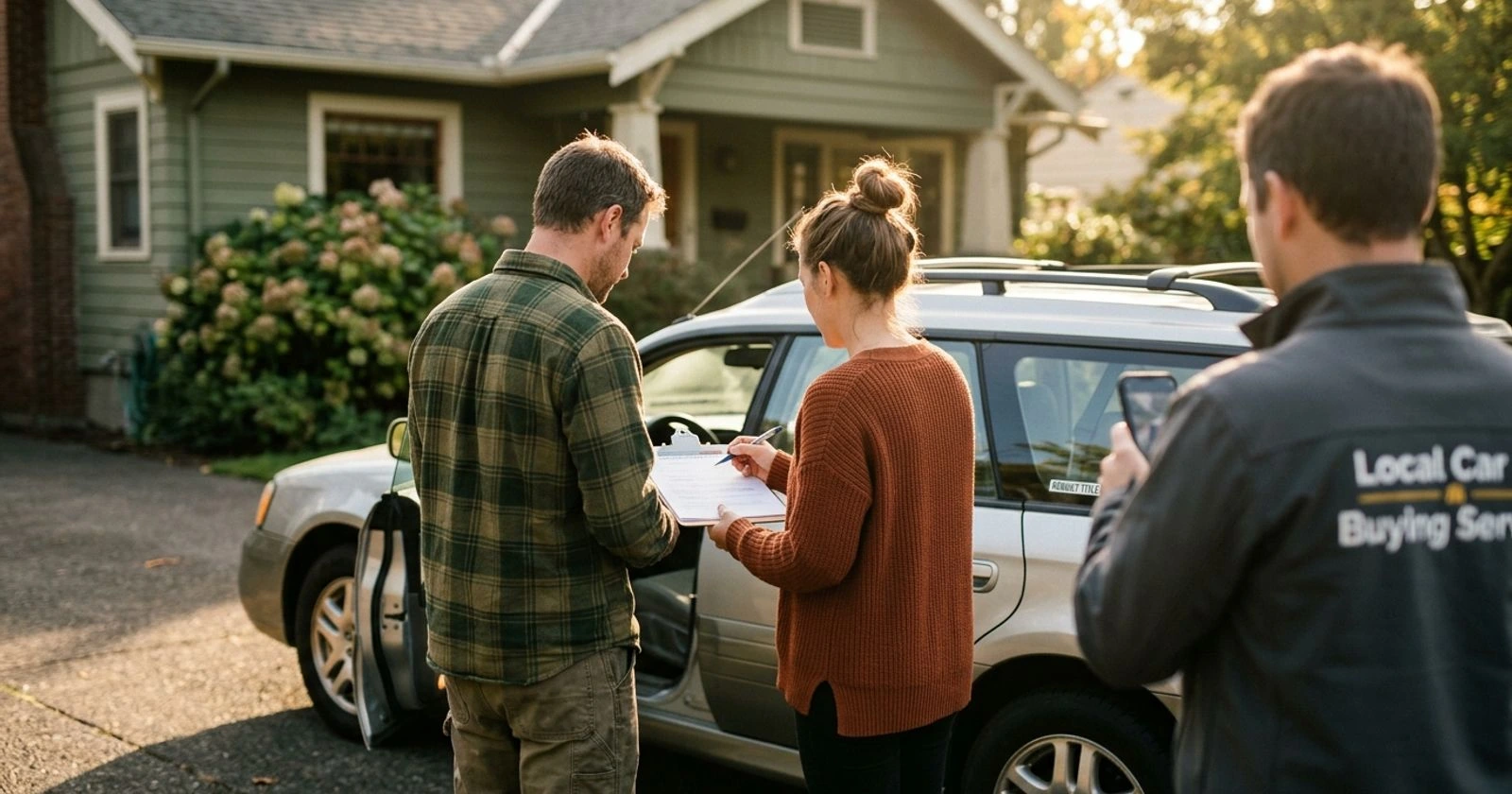
It stays on every future title and appears in VIN history reports, which is why value guides commonly cite a discount of roughly 20 to 40 percent against comparable clean-title cars.
If you are still holding the earlier brand, our guide on how to sell salvage title car options works through that situation.
The two states reach the brand by slightly different routes. Michigan requires a police salvage inspection (Form TR-54) before it issues a rebuilt salvage title. Ohio requires a State Highway Patrol inspection and then issues a REBUILT SALVAGE title. Michigan also draws a harder line: a vehicle with repair costs at 91 percent or more of its pre-damage value is branded scrap and can never return to the road.
The discount exists because the brand creates problems downstream. Lenders can be reluctant to finance these cars, and some insurers limit coverage. Dealer retail lots avoid them because resale is slow and risky.
Think of it like a house with a documented flood history: even after a flawless repair, every buyer wants a lower price for the risk. That explains why private listings stall for weeks and why many instant online offers come in low or get declined outright.
What to Gather Before You Sell
Your paperwork sets your price. A buyer who cannot see what was repaired assumes the cheapest possible repair, so the documents below are your negotiating leverage.
Title and transfer documents
- The rebuilt-branded title, in your name
- A lien release if a loan ever existed on the car
- A bill of sale that states the rebuilt status in writing
Repair evidence that moves the price
- Itemized receipts from the shop
- Before and after photos
- Parts sourcing, noting new OEM, used, or aftermarket
- Inspection approval records from the Highway Patrol or Michigan State Police
Ohio statutes require written disclosure of salvage or rebuilt history before any agreement is made. The practical move is to print the brand on the bill of sale and have the buyer sign it. That signed copy protects you if a dispute comes up months later.
Pro Tip: Lead with the paperwork, not the photos. A clean-looking car with a brand the buyer discovers later is the most common source of seller disputes. Handing over the receipts first turns the brand from a surprise into a documented, priced fact.
How to Sell a Car With a Rebuilt Title
Each channel treats a branded title differently, and the trade-offs are concrete.
- Private listing. Highest price ceiling, but the slowest path. Expect tire-kickers, lowball offers, and some fraud risk.
- Auction or salvage buyers. Fast, but the price reflects parts value rather than how well the car was rebuilt.
- National online buyers. Many apply heavy discounts to branded titles or decline them. An algorithm sees the brand and assumes the worst case.
- A local direct buyer who inspects in person.
That last difference matters most. A buyer standing next to your car can check frame and panel alignment, judge the repair quality, and read your receipts. That lets them price the car on its real condition instead of on a blanket assumption about the brand.
Sell with Reineke buys vehicles through local, in-person purchasing across 6 locations in Ohio and Michigan, with no obligation to buy a car from them. You can start with the Online Vehicle Valuation for a no-pressure number, then move to Direct Car Purchasing once someone has seen the vehicle.
Branded titles are not limited to sedans. Rebuilt trucks, SUVs, vans, and powersports vehicles carry the same brand, and the same documentation-first approach works for each. Truck and SUV Purchasing, Van Purchasing, and Powersports Vehicle Purchasing all follow the same process as cars.
Mistakes That Cost Rebuilt Title Sellers Money
Most losses trace back to a short list of avoidable errors.
Pricing off clean-title listings. Copying a clean-title asking price gets you silence. Overcorrecting with a fire-sale number gets you less than the repair history is worth. Adjust for the brand, then let the documentation defend the rest.
Softening disclosure. Hiding or downplaying the brand invites a return demand or a legal complaint after the sale. Keep a signed copy of the disclosure. Ohio guidance also warns that failing to disclose rebuilt status can carry serious penalties.
Selling on the wrong title. A car still on a salvage title that has not been inspected and rebranded is not road-legal. It cannot be transferred as a drivable vehicle, so finish the inspection first.
Letting weak evidence drag the offer. No receipts means every buyer assumes the worst. If you can, ask the repair shop to reissue itemized records before you shop the car around. Cars with past collision work, including frame damage, face the same scrutiny, so proof of the repair carries real weight.
Releasing the car too early. Do not hand over keys until payment clears. Then complete the title transfer correctly with the Ohio BMV or the Michigan Secretary of State. In Michigan, the buyer takes the branded title to a Secretary of State office within 15 days.
Sellers who gather the paperwork, disclose in writing, and put the car in front of a buyer who can inspect it usually avoid all five. If you want to sell a car with a rebuilt title without months of listing headaches, Get Your Offer and find out what a local buyer will pay once they see the car and the repair records for themselves.
Frequently Asked Questions
Can you sell a car with a rebuilt title in Ohio?
Yes. Ohio allows the sale of a vehicle with a REBUILT SALVAGE title, provided you disclose the history in writing before any agreement is made. The brand is permanent and will appear on the buyer’s future titles and VIN reports.
How much less is a rebuilt title car worth?
Guides commonly cite a discount of about 20 to 40 percent compared with the same car on a clean title. The actual figure depends on repair quality, documentation, and who is buying. A well-documented repair evaluated in person tends to fare better than one priced by an algorithm.
Do I have to tell a buyer the car has a rebuilt title?
Yes. Ohio statutes require written disclosure of salvage or rebuilt history, and Michigan guidance urges the same in the bill of sale. Put the brand on the bill of sale and have the buyer sign it.
What documents do I need to sell a rebuilt title car?
You need the rebuilt-branded title in your name, a lien release if a loan existed, and a bill of sale noting the rebuilt status. Repair receipts, photos, parts sourcing, and inspection approval records strengthen your price.
Can a salvage title car be sold as a drivable vehicle?
No. A salvage-titled car that has not passed inspection and received a rebuilt title is not road-legal. In Michigan, a vehicle branded scrap at 91 percent or more repair cost can never return to the road.

Ready to sell your car?
8 places to bring a vehicle across 6 towns, or start it from your driveway with the plate and a few photos.
Would rather talk? 419-435-7741