

Does Cosmetic Damage Affect Car Value? A Triage Method for Sellers
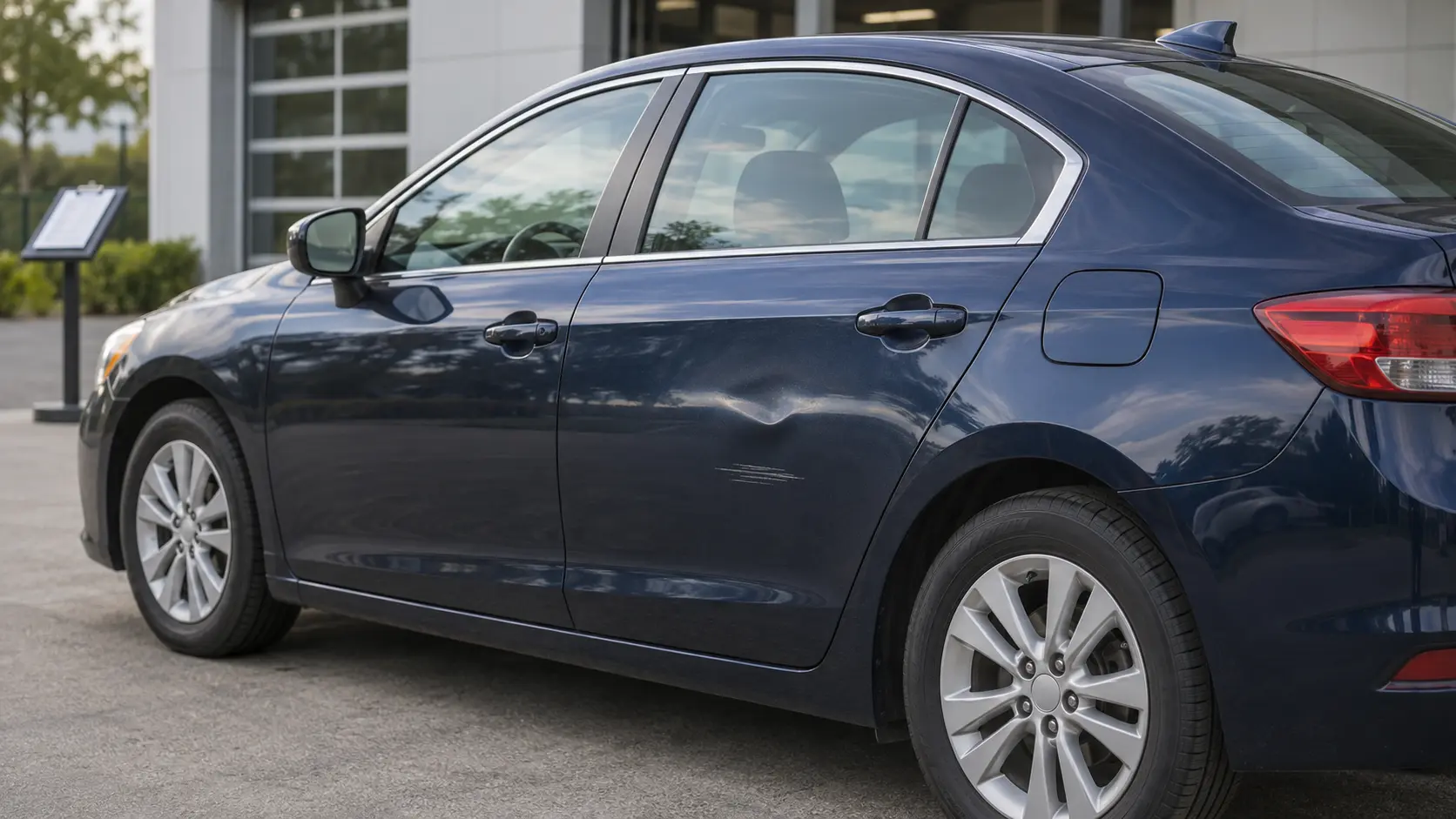
Run one car through an online valuation tool four times, changing nothing but the condition rating from Excellent to Fair. The trim, mileage, and ZIP code stay identical, yet the estimate drops by thousands of dollars. Condition alone moves the price.
That gap answers a question many sellers ask: does cosmetic damage affect car value? It does. A percentage pulled from a chart still won’t tell you how much it affects yours. Triage works better.
Separate cosmetic flaws from safety damage, test scratch depth, and decide whether a repair pays for itself. Then compare an estimate against a real offer before you spend anything. At Sell with Reineke, appraisers price the whole vehicle, so this method follows how a professional buyer actually works.
Why No Single Deduction Fits Every Car
No universal dent discount exists. Some pages claim cosmetic damage cuts value by 20% to 40%. Others credit an 11% to 25% figure to Carfax without citing a dated study. Neither number holds up well, because the real effect depends on visibility, panel count, age, mileage, paint condition, and repair quality.
Valuation guides like Kelley Blue Book and J.D. Power show how wide condition tiers can spread on a single model. Treat any spread as one car’s range, not a promised deduction. The guides themselves say value depends on options, condition, mileage, location, and market conditions.
Why the figures disagree
Each number measures something different, and none of them is guaranteed:
- Online estimate. A benchmark built from vehicle attributes and market data. Nobody inspects the actual car.
- Private-party price. A private buyer haggles over a visible scratch, usually by feel.
- Trade-in value. This price is often tied to buying another vehicle from the same dealer.
- Direct-purchase offer. A professional buyer prices reconditioning, paint matching, inspection risk, and resale demand.
Same dent, five vehicles
Take a fist-sized dent on a rear door. On a newer, high-demand SUV, retail shoppers expect clean paint, so the buyer budgets for a proper repair. On a commuter sedan with 180,000 miles, the dent is one flaw among many and barely moves the price.
If that sounds like your car, our notes on selling a high mileage car cover what does move the number. Work truck buyers expect bed scuffs, and a cargo van’s next owner cares about the drivetrain and shelving, not the side panels.
On a side-by-side or motorcycle, cracked plastics matter more than scratches because replacement panels are the usual fix.
Sort Cosmetic From Safety Damage First
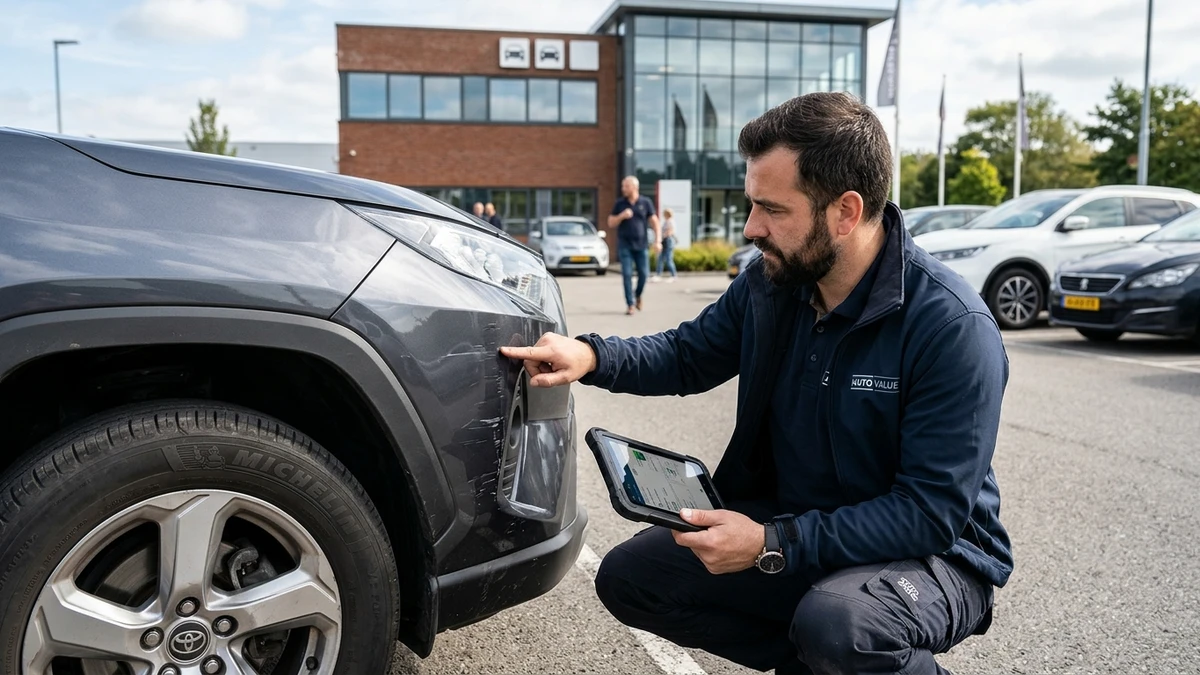
A cosmetic flaw affects how the vehicle looks. Safety damage affects how it works or what its history says. Appraisers sort damage into these two buckets before assigning any price.
True cosmetic items:
- Surface scratches and door dings
- Scuffed bumper covers
- Faded or chipped paint
- Curb-rashed wheels
- Interior wear, tears, or stains
Not cosmetic, even if it looks minor:
- Cracked glass or broken lamps
- Exposed bare metal
- Water intrusion or musty carpets
- Misaligned panels or uneven gaps
- Airbag evidence or warning codes
- Suspension or wheel-alignment damage
Glass sits on the second list for a reason, since a chip in the driver’s sightline can fail inspection. Our guide on whether a cracked windshield affects car value explains how buyers price it. Uneven panel gaps deserve the most attention, because they can point to structural repair. Sellers in that spot should read how to sell a car with frame damage before booking any cosmetic work.
Test the scratch depth
Automotive paint has four layers: clear coat, color, primer, and bare metal. Run a fingernail across the scratch. If your nail glides over it, the damage probably sits in the clear coat and will often polish out. If your nail catches, the scratch has reached the color layer or deeper. Touch-up paint makes sense there, as long as the metal is still sealed.
Gray or white at the bottom means primer, and shiny silver means bare steel. In Ohio and Michigan, road salt turns exposed steel into rust within a winter or two.
Pro Tip: Peeling clear coat cannot be touched up. Once it starts flaking, the only real fix is refinishing the panel, and an appraiser will price it that way whether you repair it or not.
Hail follows the same logic. A car can drive perfectly and still be priced as heavily dented, because the repair covers the whole roof and hood. Fixing damage also does not erase an accident record. A branded title stays branded after repair, which is why rebuilt title vehicle value follows its own rules.
Should You Fix It or Sell As-Is?
Run through this decision tree before you book a body shop appointment:
- Is the issue safety-related? Address it or disclose it. Either way, this step comes first.
- Is the vehicle older, high-mileage, or already in Fair condition? Lean toward selling as-is.
- Is the fix cheap, visible, and easy? A detail, paint-transfer removal, chip touch-up, or loose-trim repair often makes sense.
- Does the repair keep the factory paint? Paintless dent repair does. Repainting does not.
- Does the repair need several panels repainted? The cost often exceeds the difference in the offer.
A few chips on an older car matter less than large scratches or multi-panel damage on a newer one. Repair value shifts with age, demand, damage location, and repair method. I’d put it plainly: no cosmetic repair automatically pays for itself. Our breakdown of whether to fix a car before selling walks through more examples.
Can buyers spot a repaint?
Usually they can. Trained eyes check for color mismatch in daylight, overspray on rubber seals, uneven panel gaps, and texture differences in the clear coat. A paint-depth gauge then confirms what the eyes suspect. Once a buyer finds one hidden repair, they start pricing in the ones they cannot see.
The cheapest step comes before any repair. Get an Online Vehicle Valuation, then request a Direct Car Purchasing offer on the car as it sits. If the offer barely changes with the dent, keep your repair money.
What an Appraiser Checks After Disclosure
Disclosure does not end the inspection. It focuses it. A consistent walkaround covers the same points for Truck and SUV Purchasing, Van Purchasing, or Powersports Vehicle Purchasing:
- Panel gaps, paint match, and overspray
- Corrosion on rockers, wheel wells, and frame rails
- Wheel alignment and uneven tire wear
- Lights, glass, and dashboard warning codes
- History reports such as Experian AutoCheck
Document before you drive in
Photograph every damaged panel in daylight, with one wide shot for context and one close-up for depth. Keep your repair invoices and write two or three plain sentences about any prior body work. In my view, nothing speeds an inspection like organized records. They make the offer firmer too.
Ohio and Michigan paperwork
Bring the title. In Ohio, the seller’s signature on the title must be notarized. If a lender holds the title, bring the payoff letter and account details, and see our guide to selling a financed car for the lien-release steps. Michigan sellers keep their license plates after the sale. In either state, bring current registration and ID, and answer accident-disclosure questions truthfully.
Pro Tip: Ask your lender for a payoff quote dated for your appointment day. Payoff figures change daily, and a stale number can delay the handoff.
Get a Price on Your Car As It Sits
Does cosmetic damage affect car value on your specific vehicle? The only reliable answer comes from someone looking at it. Sell with Reineke offers local, in-person vehicle purchasing across 6 locations in OH and MI, with no obligation to buy a car from them.
Disclosed damage gets a vehicle-specific price rather than a chart deduction, and you can choose from Fostoria, Findlay, Tiffin, Lima, North Baltimore, and Southgate. Get Your Offer and see what that dent or scratch really costs before you spend a dollar on repairs.
Frequently Asked Questions
Should I fix a dent before selling my car, or sell it as-is?
Fix it only if paintless dent repair keeps the factory paint and the vehicle is newer or in high demand. On older or high-mileage vehicles, selling as-is usually leaves more money in your pocket.
Will a scratch on my bumper lower my trade-in value?
A clear-coat scuff rarely moves the number much. A deep scratch, cracked plastic, or broken sensor mount can lower it, because the buyer has to budget for refinishing or replacement parts.
How much does peeling paint or clear-coat failure affect a car’s value?
No fixed amount applies. Peeling clear coat needs a full panel refinish, so the deduction grows with the number of affected panels and the age of the vehicle.
Does hail damage count as cosmetic damage if the car still drives normally?
Yes, as long as the glass and lamps are intact. Widespread hail dents still lower an offer noticeably because the repair covers large panels.
Will a buyer know if a panel was repainted?
Usually. Paint mismatch, overspray, panel gaps, and paint-depth readings reveal most repaints, so disclosing them up front protects your credibility and your offer.

Ready to sell your car?
8 places to bring a vehicle across 6 towns, or start it from your driveway with the plate and a few photos.
Would rather talk? 419-435-7741