

How to Sell a Used Electric Car
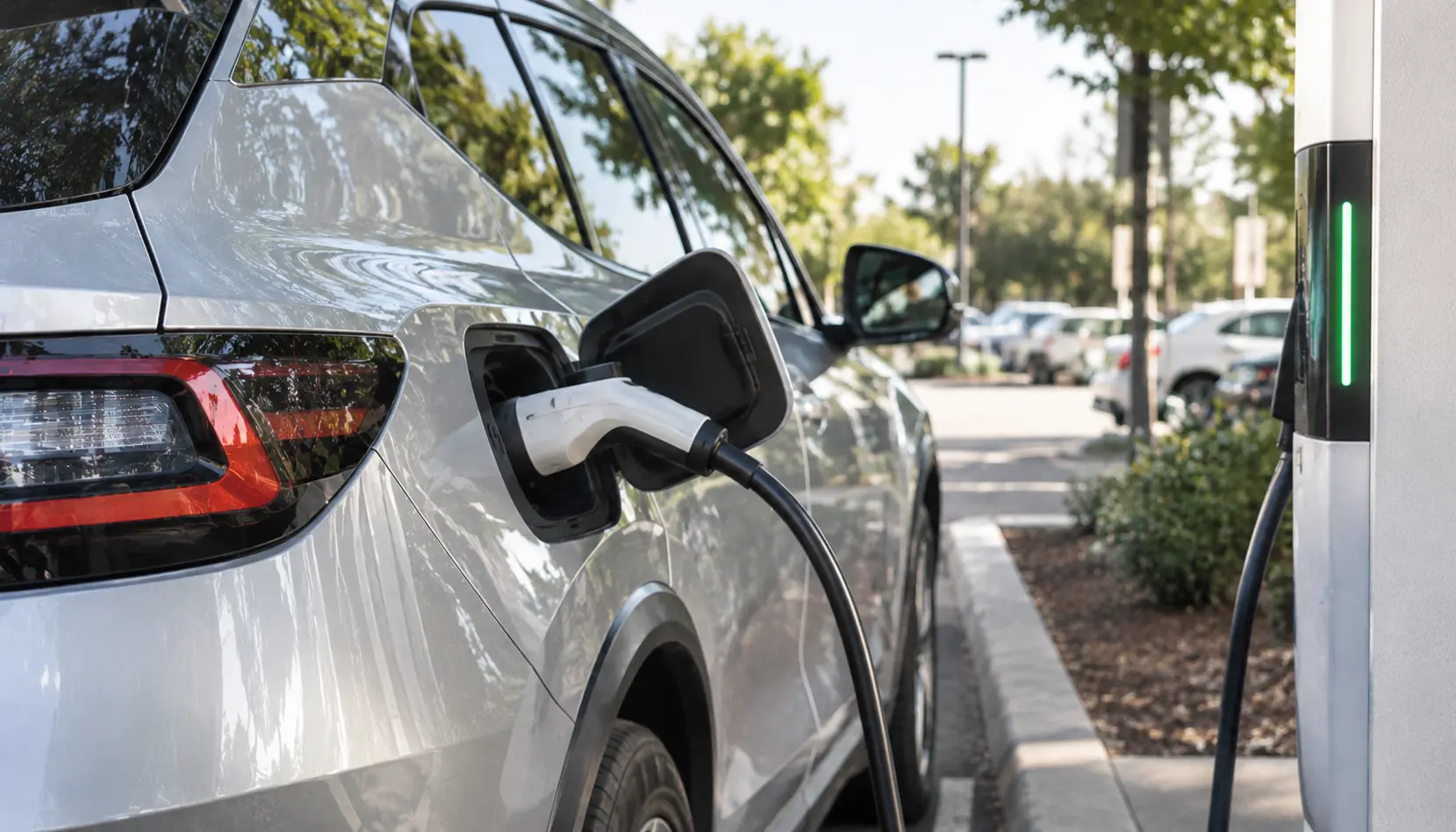
Sellers who accept the first headline number on a used EV often lose money in places the offer never shows: a lender payoff they forgot to subtract, a pickup charge, a repair they ended up funding. This guide shows how to sell a used electric car by comparing what you keep after those costs, not what the ad promises.
Used-EV prices are also moving. Reuters reported, citing Cox Automotive, that the used-EV premium over comparable gasoline vehicles narrowed to $1,376 in January 2026 from $2,591 in December 2025. A number that looked strong last month may not hold this month.
What You’ll Need
- Your title, or your lender’s name and account number
- A current lender payoff quote if you still owe money
- Both keys, manuals, and every charging cable and adapter
- Any battery report, service record, or warranty paperwork
- Your phone, to log out of the manufacturer app
Table of Contents
- Which Offer Actually Pays You the Most?
- Does Your Dash Range Prove Battery Health?
- Clear the Paperwork Before You Hand Over Keys
- Wipe the Car, Chargers, and App Before Closing
- Frequently Asked Questions
Which Offer Actually Pays You the Most?
For most Ohio and Michigan owners, the best choice is the offer with the highest net proceeds, not the highest headline. Net proceeds means the offer minus your lender payoff, pickup or transport charges, repairs, detailing, listing costs, and the risk the deal falls through.
Four routes are worth weighing:
- Private sale. Often the highest asking price, but you handle listings, strangers, test drives, and payment risk. Timing is unpredictable.
- Franchise dealer trade-in. Fast and tied to buying another vehicle. Convenient, but you rarely see how the number was built.
- National online buyers. CarMax promotes an online offer in two minutes or less, with seven-day validity and at-home pickup for many customers. Carvana also promotes an offer in under two minutes. Kelley Blue Book Instant Cash Offer works best as a benchmark, since a benchmark is not a guaranteed purchase amount. Read each company’s page for current fees and terms.
- Local direct buyer. A written offer after someone inspects your actual car, with no vehicle purchase attached.
Sell with Reineke buys cars, trucks, SUVs, and vans directly through local, in-person purchasing across six locations in Ohio and Michigan (Fostoria, Findlay, Tiffin, Lima, North Baltimore, and Southgate), with no obligation to buy a car from us. A human looks at your EV, you get a written number, and you leave with a payment instead of a purchase contract.
Copy This Worksheet
Fill one line per buyer:
- Headline offer
- Fees and pickup charges
- Lender payoff
- Estimated net proceeds (1 minus 2 minus 3)
- Payment timing
- Convenience trade-off
Here is a sample with round, made-up figures. Say Buyer A offers $30,000, charges $300 for pickup, and your payoff is $12,000. Your net is $17,700. Buyer B offers $29,500 with no fees and the same payoff, so your net is $17,500, but you get paid the same day. The $200 gap may be worth the speed.
Compare offers within the same week. Used-EV prices are shifting, and a stale quote can mislead you.
Does Your Dash Range Prove Battery Health?
No. Buyers and sellers often confuse three separate things:
- Estimated range is a display figure shaped by temperature, tire pressure, climate use, and recent driving.
- State of health is usable battery capacity compared with new.
- Battery failure is a different problem entirely, and gradual degradation is not failure.
Think of the range number like the fuel gauge on a cold morning: it tells you about today’s conditions, not the size of the tank. A strong reading in October says little about capacity. Reviewed 2026 guidance explicitly separates available range from a capacity assessment.
What Counts as Evidence
Rank your proof from strongest to weakest:
- Manufacturer app or service diagnostics
- An authorized dealer battery report
- A reputable independent test, such as Geotab-style degradation analysis
- Dated screenshots of range and charge
Whatever you have, write down the report date, the test method, the usable-capacity result, and your remaining battery and powertrain warranty.
Selling Without a Report
You can. Disclose your range history, how often you used DC fast charging, any warning lights, and recent software updates. State what you know and what you have not tested. Do not claim a health percentage the car cannot back up.
Pro Tip: Skip the paid battery test until you have offers. An in-person buyer’s inspection may cover the same ground, and you can pay for a test only if someone asks for one.
Do check open recalls and pending software updates first. Any buyer will find them anyway.
Clear the Paperwork Before You Hand Over Keys
Most delays come from paperwork, not the car. Gather these before you list or visit a buyer:
- Title in your name
- Lender payoff letter and a current payoff quote if you have a loan or lease
- Odometer disclosure
- Government ID
- Bill of sale
- A plan for plates, registration, and ending your insurance
Rules and fees change, so confirm current requirements with the Ohio BMV or the Michigan Secretary of State instead of trusting a number from an article.
Crossing the Ohio-Michigan Line
If your EV is titled in Ohio and the buyer operates in Michigan, or the reverse, settle early who handles the title transfer. Get a written bill of sale and written payoff confirmation. With two states involved, a paper trail protects you if a lien release or transfer runs late.
Loans and Leases
A lender needs the payoff figure and the buyer’s payment details. In many deals the buyer pays the lender directly and settles any equity with you. Positive equity comes to you. Negative equity is something you owe.
Ask who pays the lender, when the lien releases, and when your funds arrive. Our existing posts on selling a financed car and how to trade in your lease early cover the mechanics, so this article stays on EV-specific points.
For an EV, also hand over warranty documents showing battery and powertrain coverage, and tell the buyer about any software-locked features. Those can matter to value.
Wipe the Car, Chargers, and App Before Closing
Skip this step and your account may still control the car after the sale. Your app could still show its location, unlock it, or tie it to your charging subscriptions.
Work through this list:
- Remove the vehicle from your manufacturer app (Tesla, Ford, Hyundai, Rivian, and others).
- Delete digital keys and unpair every phone.
- Clear saved navigation destinations, especially your home address.
- End charging-network access and any subscriptions tied to the vehicle.
- Run the factory data reset if your model offers one.
Charging Equipment Inventory
List every piece: portable EVSE, Level 1 cord, adapters, any wall charger, and Tesla or NACS equipment. Portable gear usually stays with the car, while a hardwired home unit usually does not. Put the list in the bill of sale so nothing is disputed later.
Pro Tip: Photograph the cables and adapters on the day of sale. A dated photo settles any “there was a second adapter” argument in seconds.
What Happens at Our Locations
Start with our Online Vehicle Valuation, then bring the car to the nearest of our six locations for in-person confirmation. Bring your title or payoff details, ID, keys, charging gear, and any battery paperwork. After you accept an offer, we complete the inspection, paperwork, payoff handling, and payment, with no other vehicle to buy.
If you want a number you can compare against everything else on your worksheet, Get Your Offer and see exactly what you would keep before you decide. Knowing how to sell a used electric car comes down to comparing net proceeds, proving what you can about the battery, and finishing the paperwork cleanly.
Frequently Asked Questions
Can you sell a used electric car without a battery health report?
Yes. Disclose your range history, DC fast-charging habits, warning lights, and warranty status honestly, and avoid claiming a capacity percentage you cannot prove. An in-person inspection can fill gaps a report would otherwise cover.
Does the dashboard range show battery state of health?
No. Displayed range shifts with temperature, tire pressure, climate use, and recent driving. State of health measures usable capacity against new and needs a diagnostic or service report.
Can I sell an EV that still has a loan?
Yes. Get a current payoff quote from your lender, since a statement balance may be out of date. The buyer typically pays the lender, and you receive or owe the difference depending on equity.
Does the home charger go with the car?
Usually not. Portable chargers and adapters normally stay with the car, while a hardwired wall unit usually does not. List what is included in the bill of sale.
Should I wait for a better offer?
Used-EV prices have been moving, so a quote can change quickly. Collect every offer in the same week and compare net proceeds instead of waiting on a hunch.

Ready to sell your car?
8 places to bring a vehicle across 6 towns, or start it from your driveway with the plate and a few photos.
Would rather talk? 419-435-7741